Toni Morrison Biography: Awards, Books & A Complete Guide to Her Most Powerful Novels and Literary Legacy
 Satish kumar
 Few writers have reshaped modern literature as profoundly as Toni Morrison.
Her novels explore the psychological and cultural history of Black America with remarkable emotional depth and lyrical prose. Through stories rooted in memory, trauma, love, and identity, Morrison transformed how literature addresses race, history, and human resilience.
Overview Table
| Detail | Information |
|---|---|
| Full Name | Chloe Ardelia Wofford (Toni Morrison) |
| Born | February 18, 1931 |
| Died | August 5, 2019 |
| Age at Death | 88 years |
| Profession | Novelist, Essayist, Editor, Professor |
| Nationality | American |
| Genres | Literary Fiction, Historical Fiction, African-American Literature |
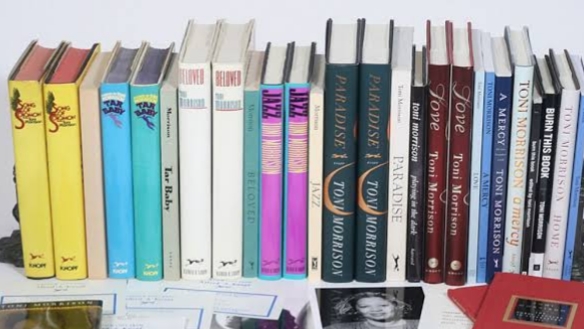
| Major Works | Beloved, Song of Solomon, The Bluest Eye, Sula, Jazz, Paradise |
| Awards | Nobel Prize in Literature (1993), Pulitzer Prize (1988) |
| Net Worth (Estimated) | $20–25 million (lifetime career estimate) |
| Known For | Transforming African-American storytelling in modern literature |
| Active Years | 1970 – 2019 |
The significance of Toni Morrison books goes beyond storytelling. Her work confronts difficult histories—slavery, racial injustice, generational trauma—while revealing the complex beauty of African-American culture and identity. Critics frequently compare her literary influence to writers like William Faulkner and Gabriel García Márquez for her ability to merge history with mythic storytelling.
Morrison became the first Black woman to win the Nobel Prize in Literature in 1993, a recognition that cemented her global influence. Today her novels remain central to university curricula and literary discussions worldwide.
In the years following her passing in 2019, her work has continued to grow in cultural importance. New academic studies, literary festivals, and critical re-evaluations through 2026 demonstrate that Morrison’s legacy is still expanding. Streaming adaptations and renewed interest in African-American literature have also introduced her stories to a new generation of readers.
This comprehensive guide explores the most important Toni Morrison books, their themes, critical reception, and lasting impact on literature.
Author Biography
Early Life and Education
Toni Morrison was born Chloe Ardelia Wofford in Lorain, Ohio, in 1931.
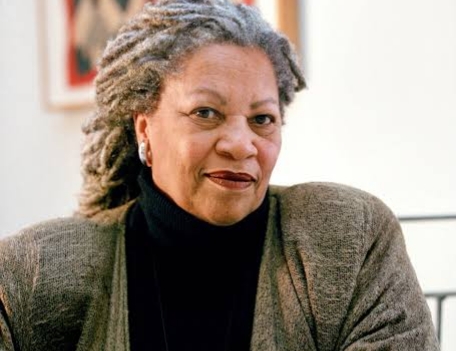
Her parents were working-class African-Americans who migrated north during the Great Migration. Their storytelling traditions, songs, and cultural heritage strongly influenced Morrison’s literary voice.
She developed a passion for literature at an early age and studied English at Howard University, later earning a master’s degree from Cornell University. Her academic work included research on the works of William Faulkner and Virginia Woolf—writers who later influenced her narrative style.
Career as an Editor and Writer
Before becoming a globally recognized novelist, Morrison worked as an editor at Random House. During the 1960s and 1970s she played a major role in publishing works by Black writers and activists, including Angela Davis and Toni Cade Bambara.
Her first novel, The Bluest Eye (1970), began as a short story she wrote while raising two children as a single mother. Although the book initially received modest attention, it later became a foundational text in African-American literature.
Over the following decades Morrison published some of the most influential novels in modern American literature, including Sula (1973), Song of Solomon (1977), and Beloved (1987).
Awards and Recognition
Toni Morrison received numerous honors during her lifetime:
- Pulitzer Prize for Fiction (1988) – Beloved
- Nobel Prize in Literature (1993)
- Presidential Medal of Freedom (2012)
- National Humanities Medal
Her works have been translated into dozens of languages and studied globally.
Complete List of Major Toni Morrison Books
- The Bluest Eye (1970)
- Sula (1973)
- Song of Solomon (1977)
- Tar Baby (1981)
- Beloved (1987)
- Jazz (1992)
- Paradise (1997)
- Love (2003)
- A Mercy (2008)
- Home (2012)
- God Help the Child (2015)
Each of these novels explores identity, memory, and the lasting consequences of history.
Key Toni Morrison Books Explained
1. The Bluest Eye (1970)
Summary
Set in 1940s Ohio, The Bluest Eye tells the tragic story of Pecola Breedlove, a young Black girl who longs for blue eyes because she believes they will make her beautiful and loved.
The novel explores how racial beauty standards and systemic racism destroy a child’s sense of self-worth.
Key Themes
- Internalized racism
- Beauty standards
- Childhood trauma
- Identity and belonging
Pros
- Deep psychological insight
- Powerful critique of racism
- Poetic narrative style
Cons
- Emotionally difficult themes
- Non-linear storytelling may challenge some readers
Expert Reviews
Literary scholars frequently describe The Bluest Eye as one of the most powerful critiques of beauty standards in American literature.
Reader Impact
Readers often report that the novel permanently changes how they think about race, beauty, and childhood vulnerability.
2. Sula (1973)
Summary
Sula explores the friendship between Sula Peace and Nel Wright, two girls growing up in a Black community in Ohio.
Their lives take very different paths, revealing how society judges women who refuse to conform to expectations.
Key Themes
- Female friendship
- Community judgment
- Individual freedom
- Moral complexity
Pros
- Strong female characters
- Psychological depth
- Philosophical storytelling
Cons
- Short length leaves some themes open-ended
Critical Reception
The novel was nominated for the National Book Award and remains widely studied in gender studies and literature programs.
3. Song of Solomon (1977)
Summary
Often considered Morrison’s most accessible novel, Song of Solomon follows Milkman Dead, a young man searching for his family history.
His journey becomes a symbolic exploration of identity and ancestral memory.
Key Themes
- Heritage and ancestry
- Freedom and self-discovery
- African-American folklore
- Family history
Pros
- Epic storytelling
- Rich symbolism
- Memorable characters
Cons
- Complex symbolism may require careful reading
Expert Commentary
Many critics call this Morrison’s breakthrough novel. It helped establish her as one of America’s most important writers.
4. Beloved (1987)
Summary
Beloved is widely considered Toni Morrison’s masterpiece. Inspired by the true story of enslaved woman Margaret Garner, the novel follows Sethe, a former slave haunted by her past.
Her home becomes inhabited by a mysterious young woman named Beloved—possibly the ghost of the daughter she lost.
Key Themes
- Slavery’s psychological legacy
- Memory and trauma
- Motherhood
- Freedom and identity
Pros
- One of the most powerful novels about slavery
- Deep emotional and historical impact
- Innovative narrative structure
Cons
- Intense themes may be challenging
Awards and Recognition
- Pulitzer Prize for Fiction (1988)
- Frequently ranked among the greatest American novels
Reader Impact
Many readers describe Beloved as a life-changing book that forces a confrontation with the realities of slavery.
5. Jazz (1992)
Summary
Set in 1920s Harlem, Jazz explores love, jealousy, and betrayal through the story of a couple whose relationship is shattered by an affair.
The narrative style mimics the improvisational structure of jazz music.
Key Themes
- Urban life
- Love and obsession
- Music and storytelling
- Memory
Pros
- Innovative narrative style
- Rich historical atmosphere
Cons
- Experimental structure may confuse new readers
6. Paradise (1997)
Summary
Paradise begins with the shocking line:
“They shoot the white girl first.”
The novel explores a patriarchal community in Oklahoma that becomes obsessed with controlling women.
Key Themes
- Religion and power
- Gender roles
- Community and exclusion
Critical Response
Critics praised Morrison’s ambitious exploration of race, gender, and utopian communities.
Literary Style and Themes
Myth, Memory, and History
Toni Morrison blends historical realism with mythic storytelling. Her novels often move between past and present to show how history shapes identity.
Language and Poetic Prose
Morrison’s writing is known for its lyrical rhythm, drawing from African-American oral traditions and music.
Centering Black Voices
Perhaps her greatest achievement was placing Black experiences at the center of American literature without explaining them for a white audience.
Cultural Impact of Toni Morrison Books
Toni Morrison’s influence extends far beyond literature.
Academic Influence
Her works are widely taught in:
- American literature courses
- African-American studies
- Gender studies
- Cultural history
Adaptations
The most famous adaptation is the 1998 film of Beloved, starring Oprah Winfrey and Danny Glover.
Influence on Modern Writers
Writers influenced by Morrison include:
- Ta-Nehisi Coates
- Jesmyn Ward
- Colson Whitehead
Criticism and Controversies
Despite critical acclaim, Morrison’s books have sometimes faced controversy.
School Book Bans
Several novels, particularly Beloved and The Bluest Eye, have been challenged in school systems due to mature themes.
Academic Debate
Some critics argue her novels can be dense and symbolically complex, making them difficult for casual readers.
However, most scholars view this complexity as part of Morrison’s literary power.
Latest Updates (2026)
Although Toni Morrison passed away in 2019, interest in her work continues to grow.
Recent developments include:
- New academic research on Morrison’s influence published in literary journals.
- Increased inclusion of her books in global university curricula.
- Renewed discussion of The Bluest Eye and Beloved in debates about book bans and literary freedom.
- Several 2025–2026 literary conferences dedicated to Morrison’s legacy.
Streaming platforms and publishers have also reported rising sales of Morrison’s novels among younger readers.
Key Takeaways
- Toni Morrison is one of the most influential American writers of the 20th century.
- Her novels explore race, memory, identity, and history with emotional depth.
- Beloved, Song of Solomon, and The Bluest Eye remain essential reading.
- Morrison’s storytelling reshaped African-American literature and global literary culture.
- Her works continue to influence scholars, writers, and readers worldwide.
Frequently Asked Questions (FAQs)
What is Toni Morrison’s most famous book?
Beloved is widely considered Toni Morrison’s most famous and influential novel.
How many books did Toni Morrison write?
Toni Morrison wrote 11 novels, along with essays, children’s books, and literary criticism.
Why did Toni Morrison win the Nobel Prize?
She received the Nobel Prize in Literature in 1993 for novels characterized by visionary force and poetic language that reveal essential aspects of American reality.
Which Toni Morrison book should beginners read?
Many readers start with Song of Solomon because it is more accessible than her other works.
Are Toni Morrison books difficult to read?
Some novels contain complex symbolism and shifting timelines, but they reward careful reading with deep insight and emotional impact.
Thank you for reading!
Stay tuned for more inspiring Books summary, Author’s spotlight, Trend Books & more get full information on TheBooksx.com
About the Author