Satish kumar
 Money is rarely just about numbers.

For most millennials, it is about freedom—freedom from paycheck anxiety, freedom from debt-driven decisions, and freedom to design a life instead of merely surviving one. The idea of escaping the rat race is no longer a fantasy; it has become a necessity in a world of rising costs, unstable careers, and constant financial pressure.
The best personal finance books for millennials do more than explain budgeting or investing. They reshape how money is seen, earned, saved, and respected. They speak about patience in a culture of speed and long-term thinking in a world addicted to instant rewards. Below is a carefully curated guide to books that have helped an entire generation rethink money and quietly step away from the rat race.
Why Millennials Need a Different Approach to Personal Finance
Traditional financial advice often assumes stable jobs, predictable pensions, and linear careers. Millennials live in a very different reality:
- Multiple income streams instead of one lifelong job
- Student loans and lifestyle inflation
- A growing desire for financial independence and early retirement
- Digital investing, side hustles, and remote work
The books listed below understand this shift. They speak in clarity, not complexity, and focus on building wealth with intention rather than obsession.
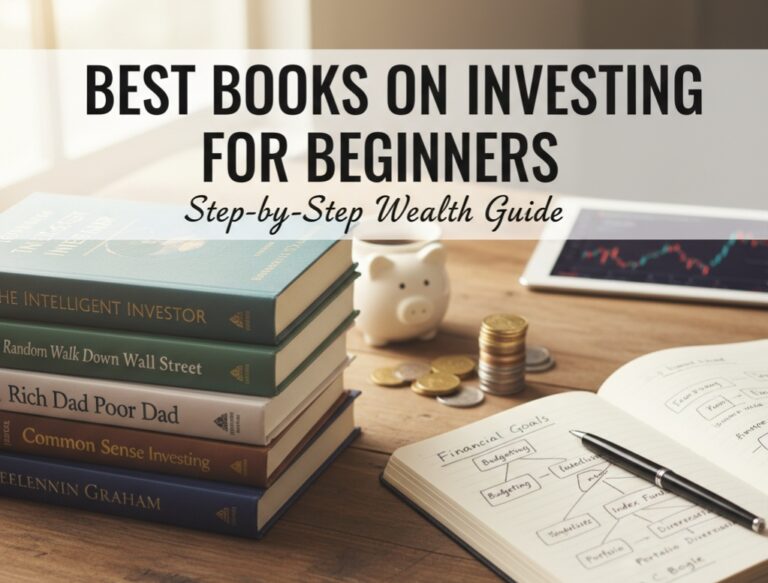
1. Rich Dad Poor Dad by Robert Kiyosaki
Book Summary
This modern finance classic contrasts two mindsets: one focused on job security and expenses, the other on assets and financial independence. Through personal stories, the book explains why financial education matters more than salary size.
Key Lessons & Themes
- Assets put money in your pocket; liabilities take it out
- Schools don’t teach financial intelligence
- Wealth is built by mindset before mechanics
- Cash flow matters more than income
Author Snapshot
Robert Kiyosaki is an entrepreneur and educator known for challenging traditional beliefs about money, work, and retirement.
Personal Reflection
This book often feels uncomfortable—and that is its strength. It quietly dismantles beliefs that many millennials inherited without question. Reading it feels like stepping outside a system you never consciously agreed to join. It does not offer comfort; it offers clarity.
Best Quotes
- “The rich don’t work for money.”
- “It’s not how much money you make, but how much you keep.”
- “Financial freedom is available to those who learn about it.”
- “Assets generate income whether you work or not.”
Quick Takeaway Table
| Aspect | Insight |
|---|---|
| Focus | Financial mindset |
| Best For | Beginners |
| Core Idea | Buy assets, not expenses |
| Impact | Life-changing perspective |
Pros & Cons
Pros:
- Powerful mindset shift
- Simple, memorable lessons
Cons:
- Less practical step-by-step detail
- Repetitive for advanced readers
2. The Psychology of Money by Morgan Housel
Book Summary
This book explores how emotions, behavior, and personal history shape financial decisions more than intelligence or math ever will.
Key Lessons & Themes
- Wealth is about behavior, not IQ
- Compounding rewards patience
- Financial success is deeply personal
- Risk tolerance matters more than returns
Author Snapshot
Morgan Housel is a former Wall Street Journal columnist known for turning complex financial ideas into human stories.
Personal Reflection
Among the best personal finance books for millennials, this one feels quietly wise. It does not push urgency or hustle. It teaches restraint, humility, and long-term calm—qualities rarely celebrated but deeply necessary to escape the rat race.
Best Quotes
- “Getting money is one thing. Keeping it is another.”
- “Financial success is not a hard science.”
- “Doing well with money has little to do with how smart you are.”
- “Compounding works best when left alone.”
3. Your Money or Your Life by Vicki Robin & Joe Dominguez
Book Summary
This book connects money with life energy, asking readers to evaluate spending not by desire but by meaning.
Key Lessons & Themes
- Money equals time and energy
- Conscious spending leads to freedom
- Financial independence is emotional, not just numerical
- Simplicity creates space
Author Snapshot
Vicki Robin is a social innovator who pioneered the financial independence movement long before it became mainstream.
Personal Reflection
This book slows everything down. It feels less like financial advice and more like a mirror. It gently questions whether the rat race is even worth winning—and that question alone can change everything.
4. I Will Teach You to Be Rich by Ramit Sethi
Book Summary
A practical, modern guide to automating finances, investing early, and enjoying life without guilt.
Key Lessons & Themes
- Automation beats willpower
- Spend confidently on what matters
- Invest early and consistently
- Ignore financial noise
Author Snapshot
Ramit Sethi is a personal finance expert focused on systems, not sacrifice.
Personal Reflection
This book feels realistic. It accepts human flaws and designs systems around them. For millennials overwhelmed by choices, it offers structure without deprivation.
5. The Simple Path to Wealth by JL Collins
Book Summary
Originally written as letters to the author’s daughter, this book explains long-term investing in simple, stress-free terms.
Key Lessons & Themes
- Low-cost index investing
- Financial independence through consistency
- Avoid debt and complexity
- Let money work quietly
Personal Reflection
This is one of the most calming finance books ever written. It removes urgency and replaces it with trust in time. For those dreaming of early retirement, it feels like a steady hand guiding the way.
Why These Are the Best Personal Finance Books for Millennials
Together, these books cover every layer of financial growth:
- Mindset: Rich Dad Poor Dad
- Behavior: The Psychology of Money
- Meaning: Your Money or Your Life
- Systems: I Will Teach You to Be Rich
- Investing: The Simple Path to Wealth
They do not promise shortcuts. They promise understanding—and that is far more powerful.
Conclusion: Escaping the Rat Race Starts on the Page
The rat race thrives on unconscious habits. These books interrupt that cycle. They teach patience in a world of speed, discipline in a culture of indulgence, and clarity in an age of noise.
The best personal finance books for millennials are not about becoming rich overnight. They are about becoming free over time. And freedom, once understood, is hard to give up.
FAQs
1. Which personal finance book should millennials read first?
Rich Dad Poor Dad is ideal for mindset shifts, while I Will Teach You to Be Rich works well for practical steps.
2. Are these books suitable for beginners?
Yes. All books listed are written in clear, accessible language.
3. Do these books focus on investing?
Some do, but they also emphasize mindset, behavior, and lifestyle design.
4. Can these books help with early retirement?
Yes, especially The Simple Path to Wealth and Your Money or Your Life.
5. Are these books still relevant today?
Absolutely. Their principles adapt well to modern financial realities.
6. Do I need to read all of them?
No. Even one can change how money is viewed and managed.
Thank you for reading!
Stay tuned for more inspiring Books summary, Author spotlight, Trend Books & more get full information on TheBooksx.com
About the Author