Harper Lee Books: Complete Guide to Her Life, Works, Themes, and Literary Legacy
 Satish kumar
 Few authors in literary history have achieved the level of influence that Harper Lee accomplished with only a small number of published books.
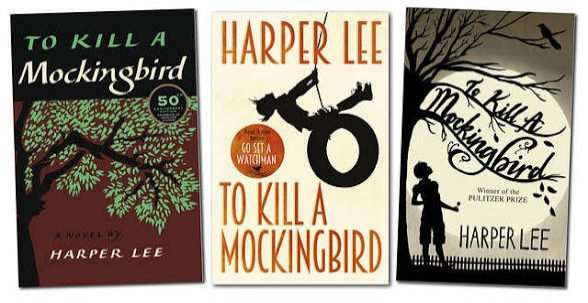
While many writers spend decades producing numerous novels, Lee’s reputation rests primarily on a single masterpiece: To Kill a Mockingbird. Published in 1960, the novel became one of the most widely read books in the world and continues to shape conversations about justice, morality, and race.
Author Overview
| Field | Details |
|---|---|
| Full Name | Nelle Harper Lee |
| Born | April 28, 1926 |
| Died | February 19, 2016 |
| Age at Death | 89 years |
| Nationality | American |
| Profession | Novelist |
| Genre | Southern Gothic, Bildungsroman |
| Famous Works | To Kill a Mockingbird, Go Set a Watchman |
| Net Worth (estimated) | $35–40 million at the time of death |
| Education | University of Alabama |
| Awards | Pulitzer Prize for Fiction (1961) |
| Literary Period | Modern American Literature |
The significance of Harper Lee books goes far beyond literary success.

Her work captured the moral struggles of the American South during the era of segregation and civil rights tension. Through the eyes of a child narrator, Lee explored complex social issues such as racial injustice, prejudice, empathy, and moral courage. As a result, her writing became a cornerstone of school curricula across the globe.
Even decades after its publication, To Kill a Mockingbird remains a cultural landmark. The novel has sold over 40 million copies worldwide, has been translated into more than 40 languages, and continues to sell hundreds of thousands of copies annually. In fact, publishing industry reports in 2025–2026 indicate that the novel still ranks among the top-selling classic books in the United States.
The later publication of Go Set a Watchman in 2015 renewed global interest in Harper Lee’s literary legacy. Though originally written before To Kill a Mockingbird, it offered readers a controversial and thought-provoking continuation of the story and sparked debates about the complexity of Lee’s characters.
This article provides a complete, research-backed guide to Harper Lee books, including summaries, themes, expert reviews, criticism, and the lasting influence of her writing.
Harper Lee Biography
Early Life
Harper Lee was born Nelle Harper Lee in Monroeville, Alabama, a small Southern town that would later inspire the fictional setting of Maycomb in To Kill a Mockingbird. Her father, Amasa Coleman Lee, was a lawyer and newspaper editor. Many scholars believe he inspired the character Atticus Finch, one of literature’s most admired moral figures.
Growing up in Alabama during the 1930s, Lee witnessed the racial divisions that defined the American South. These experiences deeply shaped her writing and became the moral foundation of her work.
Lee’s childhood friend was Truman Capote, who later became a famous writer himself. Capote inspired the character Dill Harris in To Kill a Mockingbird.
Education and Early Writing
Harper Lee studied law at the University of Alabama, though she left before completing her degree to pursue writing. In the late 1940s and early 1950s, she moved to New York City and began working as an airline reservation clerk while writing fiction.
Her breakthrough came when friends Michael and Joy Brown gifted her a year of financial support so she could focus solely on writing.
That decision led to the creation of one of the most influential novels in American literature.
Literary Breakthrough
To Kill a Mockingbird was published in 1960 and immediately gained critical acclaim. Within a year, it won the Pulitzer Prize for Fiction (1961).
The book quickly became a defining work of American literature.
Despite the immense success, Harper Lee remained a deeply private person. She rarely gave interviews and avoided the public spotlight.
Major Harper Lee Books
Harper Lee published only two novels during her lifetime, yet both remain important literary works.
- To Kill a Mockingbird (1960)
- Go Set a Watchman (2015)
Each book provides a different perspective on morality, social change, and human complexity.
1. To Kill a Mockingbird (1960)
Overview
| Category | Details |
|---|---|
| Genre | Southern Gothic, Coming-of-age |
| Publication Year | 1960 |
| Awards | Pulitzer Prize (1961) |
| Copies Sold | 40+ million |
| Setting | Maycomb, Alabama |
Summary
To Kill a Mockingbird follows Scout Finch, a young girl growing up in the fictional town of Maycomb, Alabama during the 1930s.
Scout lives with her brother Jem and their father Atticus Finch, a lawyer known for his strong moral principles.
The central conflict arises when Atticus defends Tom Robinson, a Black man falsely accused of assaulting a white woman.
As the trial unfolds, Scout and Jem confront the harsh realities of racism, prejudice, and injustice.
Through their childhood experiences, the novel explores the loss of innocence and the struggle between morality and societal bias.
Key Themes
1. Racial Injustice
The novel portrays the systemic racism embedded in the American legal system during the Jim Crow era.
2. Moral Courage
Atticus Finch represents the idea that standing for justice matters even when defeat seems inevitable.
3. Childhood Innocence
Scout’s perspective reveals how prejudice is learned rather than innate.
4. Empathy
One of the novel’s most famous lessons is Atticus’s advice:
“You never really understand a person until you consider things from his point of view.”
Pros
- Powerful moral message
- Rich, memorable characters
- Accessible storytelling style
- Deep cultural and historical relevance
Cons
- Some critics argue the story centers a “white savior” narrative
- The racial perspective reflects limitations of its time
Expert Reviews
The New York Times (1960) praised the novel as:
“A moving and courageous story about conscience in the face of injustice.”
Literary scholars frequently rank the book among the most important American novels of the 20th century.
Reader Impact
The novel remains a standard text in schools and universities worldwide. For many readers, it serves as their first introduction to discussions about race and justice in literature.
2. Go Set a Watchman (2015)
Overview
| Category | Details |
|---|---|
| Genre | Literary Fiction |
| Publication Year | 2015 |
| Copies Sold | 1.1 million in first week |
| Timeline | Set 20 years after Mockingbird |
Background
Although published in 2015, Go Set a Watchman was actually written before To Kill a Mockingbird. It was discovered decades later in Harper Lee’s archives.
The book generated enormous controversy and curiosity upon release.
Summary
The story follows Jean Louise Finch (Scout) as an adult returning to Maycomb from New York.
During her visit, she discovers disturbing truths about her father Atticus Finch and the town’s views on race.
This revelation forces Jean Louise to confront her childhood beliefs and redefine her understanding of morality.
Key Themes
1. Disillusionment
The novel explores the painful realization that admired figures may have flawed beliefs.
2. Moral Independence
Jean Louise must form her own ethical identity rather than rely on inherited values.
3. Social Change
The story reflects tensions during the early Civil Rights Movement.
Pros
- Provides deeper psychological insight into characters
- Explores complex moral ambiguity
- Adds historical context to the original story
Cons
- Many readers found Atticus’s portrayal controversial
- Some critics felt the novel was more a draft than a finished work
Expert Reviews
The Guardian described the book as:
“A fascinating, if unsettling, companion to one of the most beloved novels in American literature.”
Reader Impact
Despite mixed reviews, the novel became one of the fastest-selling books in publishing history upon release.
It reignited interest in Harper Lee’s writing and sparked academic debate about literary legacy.
Literary Style and Analysis
Southern Gothic Tradition
Harper Lee’s writing belongs to the Southern Gothic tradition, alongside authors such as:
- William Faulkner
- Flannery O’Connor
- Carson McCullers
This style often blends small-town settings with themes of moral decay, social injustice, and psychological conflict.
Narrative Voice
One of Lee’s greatest strengths is her use of childhood narration.
Scout’s voice combines innocence with sharp observation, allowing readers to witness prejudice through an honest lens.
Character Development
Characters such as Atticus Finch and Boo Radley have become literary archetypes.
Atticus represents moral integrity, while Boo Radley symbolizes misunderstood humanity.
Cultural and Social Impact
Influence on Civil Rights Discussions
Although written before major Civil Rights legislation, To Kill a Mockingbird helped introduce readers to conversations about racial injustice.
Legal scholars and activists often cite the novel when discussing moral responsibility in the justice system.
Educational Influence
The novel remains one of the most taught books in American schools.
Educational organizations estimate that millions of students read the novel every year.
Film Adaptation
The 1962 film adaptation starring Gregory Peck won three Academy Awards.
Peck’s portrayal of Atticus Finch is widely considered one of the greatest performances in cinematic history.
Criticism and Controversy
Despite its popularity, Harper Lee’s work has faced criticism.
Criticism Points
- White Savior Narrative – Some scholars argue the story centers white perspectives on racial justice.
- Simplified Portrayal of Racism – Critics suggest the book does not fully address systemic oppression.
- Publication Ethics of Watchman – Questions were raised about whether Harper Lee intended the manuscript for publication.
Nevertheless, the novel continues to inspire debate and academic study.
Harper Lee Legacy (2026 Update)
As of 2026, Harper Lee remains one of the most influential American authors.
Recent developments include:
- To Kill a Mockingbird still ranks among the top-selling classic novels annually.
- Stage adaptations of the novel continue to run internationally.
- Academic research on Lee’s work has expanded, especially in race studies and legal ethics.
- The Monroeville Literary Festival in Alabama continues to celebrate her legacy.
Although Harper Lee wrote only two novels, their impact remains extraordinary.
Frequently Asked Questions (FAQs)
How many books did Harper Lee write?
Harper Lee published two novels: To Kill a Mockingbird and Go Set a Watchman.
Which Harper Lee book is the most famous?
To Kill a Mockingbird is widely considered one of the greatest American novels ever written.
Did Harper Lee win any awards?
Yes. She won the Pulitzer Prize for Fiction in 1961.
Why is To Kill a Mockingbird important?
The novel explores racial injustice, moral courage, and empathy, making it a landmark work in American literature.
Is Go Set a Watchman a sequel?
Technically yes in timeline, but it was actually written before Mockingbird and later published decades afterward.
Key Takeaways
- Harper Lee remains one of the most influential American authors despite publishing only two novels.
- To Kill a Mockingbird is a global literary classic that shaped discussions about race and justice.
- Go Set a Watchman provides a more complex view of the Finch family and social change.
- Lee’s storytelling combines Southern Gothic atmosphere, moral reflection, and powerful character development.
- Even in 2026, her work continues to influence literature, education, and cultural debate.
Thank you for reading!
Stay tuned for more inspiring Books summary, Author’s spotlight, Trend Books & more get full information on TheBooksx.com
About the Author